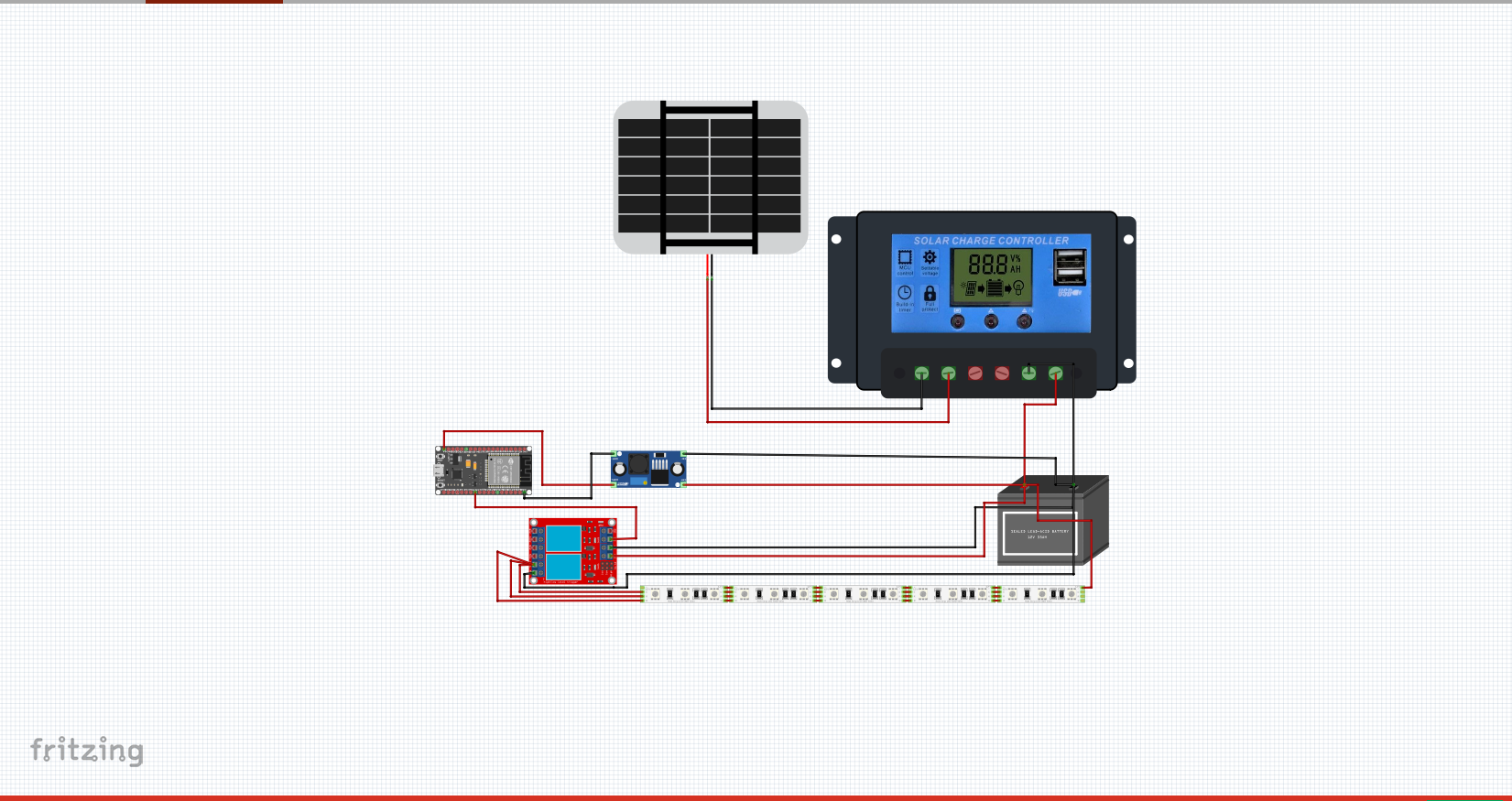
Hi @JeyJey and welcome to the forum.
You may want to elaborate of what you are trying to achieve.
You are talking about a windmill but show a picture of a solar setup.
Can you explain what you are trying to achieve?
Large part of (larger) wind generators is the AC - DC - AC conversion.
For related theory solar is not exactly a good place to look as it has a lot of quirks that you will not find in wind generators and visa versa.
A better place to look is at 3-phase motor inverters, when this is what interests you.
If you are more into micro generation then again, your solar inverter will not cut the mustard.
If solar is what you want to learn on practically there are so many things to talk about (PWM/MPPT, string, microinverter, grid-following vs grid-forming …)
Short story long, you are currently asking how long a piece of string is. You need to be far more forward coming.
2 Likes
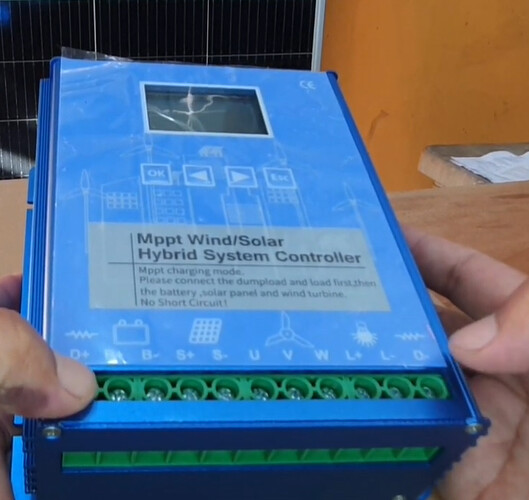
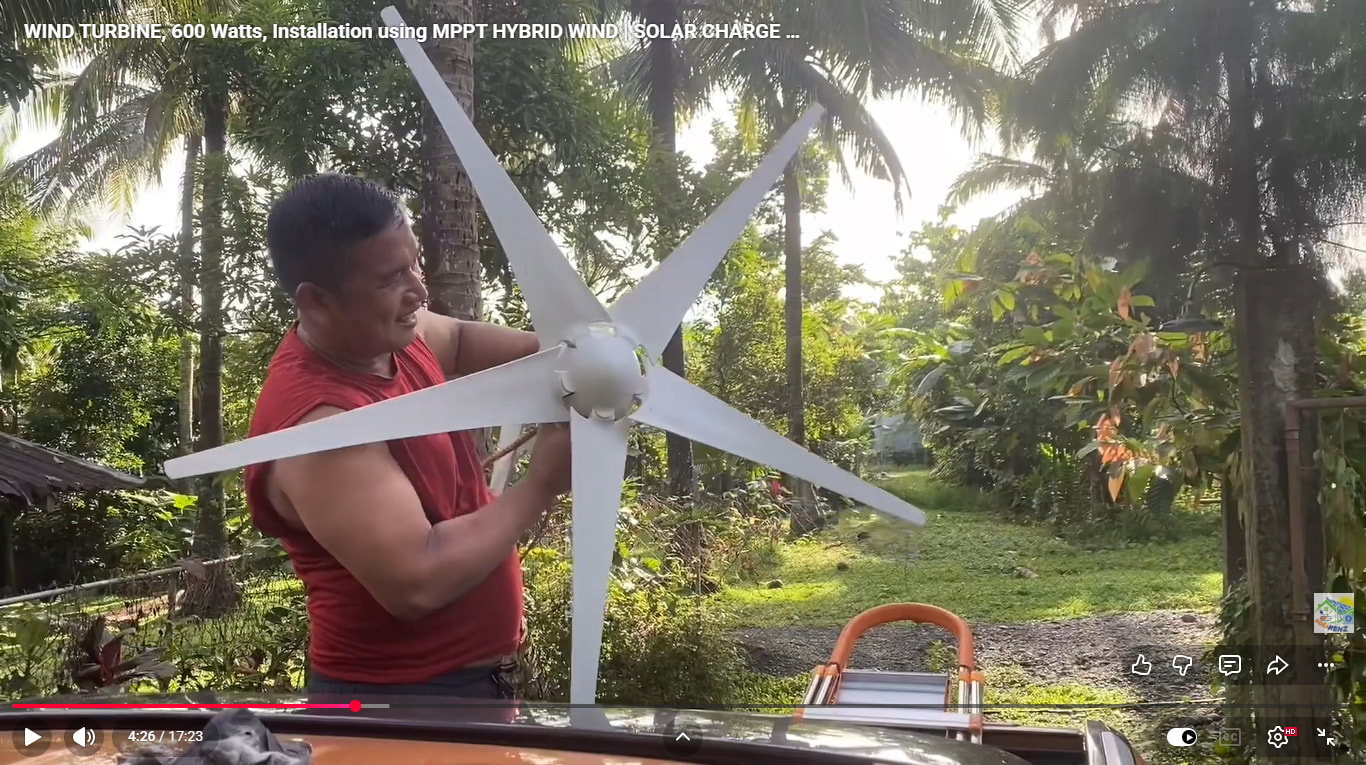
ohh sorry for my mistakes, I was talking about like some wind turbine that can be help in my set up because I was thinking of like hybrid set up for it like do I need to create a big wind generators for it? because its a small project and i saw a youtube vid about it like this
1 Like
No need to apologise.
If I got you right, you want to build a domestic style offgrid system, as pictured in the first post and you want to add some mini wind turbine to it?
At least around here the required hardware (domestic wind turbines) are extremely pricey for what they deliver. Hence there is not a large community to easily draw on.
I guess, you are looking for Fritzing parts that can be used in the breadboard view?
If so, do you have already some product in mind? What would you need? A turbine? An inverter? A load/brake resistor?
By the way, for ELV DC switching you might be better off using low RDS_on MOSFETs. Particularly on a battery operated system.
ELV - extra low voltage
DC - Direct Current
RDS_on - Resistance Drain-Source in on state
MOSFET - Metal Oxide Semiconductor Field Effect Transistor
sorry for the late reply, yes I need a parts to put in a breadboard view. The product that are on my mind is the one that I sent it was
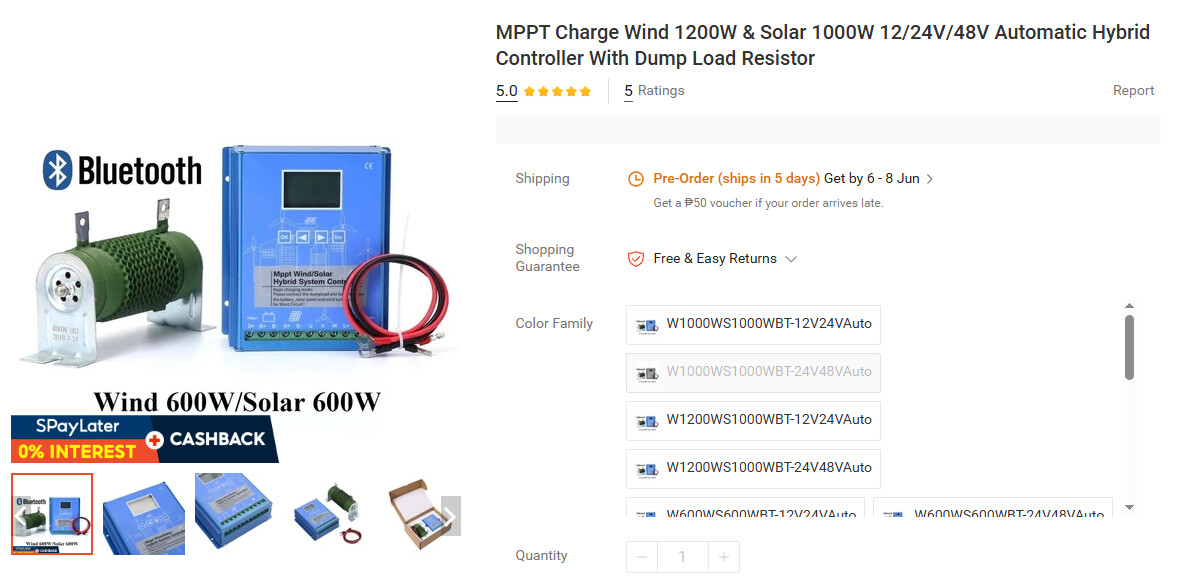
like this. I need like a perfect for low current voltages and also a turbine with a dump load res. Can you enlighten me on part of the rds on mosfets? whats the use of it on this proj tysm.
Your schematic shows a relay unit being used for switching the DC loads, looking like an LED strip. The relays have a rather high constant consumption, potentially draining your battery faster than the switched lights. Also DC switching via contacts is not a clever approach, on low currents you will struggle to make secure contact and on high currents you will burn your contacts.
The natural choice for switching DC tends to be MOSFETs rather relays.
R - resistance
DS - drain source
on - in its on state
You can get MOSFETs in the 60-100V range with less than one MilliOhm for something like £2-3. This is less resistance than you can expect from relay contacts
You can get even lower cost ready to use modules like those:
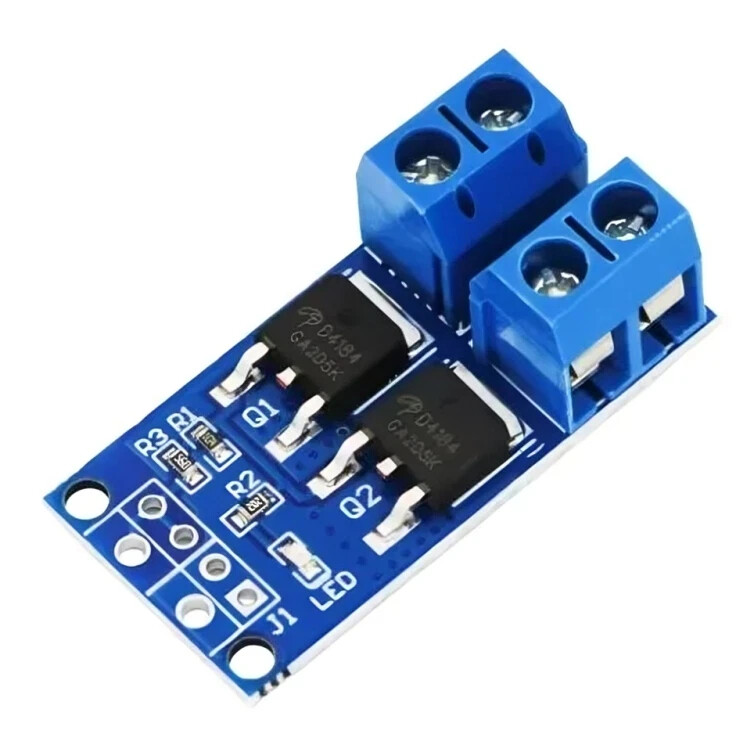
Not sure about the used MOSFETs in these modules but these should at least be good for a few Ampere anyway.
Essentially, the lower your Rds_on the more efficient the MOSFET when switched fully on. The more efficient itis the less heat is produced and therefore cooling will become easier, ideally passive cooling, which is cheaper and less error prone.
1 Like